Rio Grande Border Community
Listings in Quemado, TX
Welcome to Quemado, a rural Maverick County community along the Rio Grande, about eighteen miles northwest of Eagle Pass.
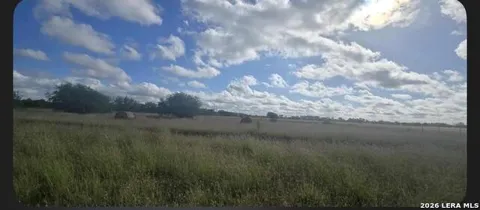
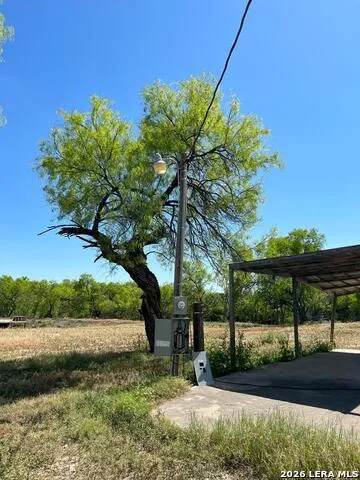
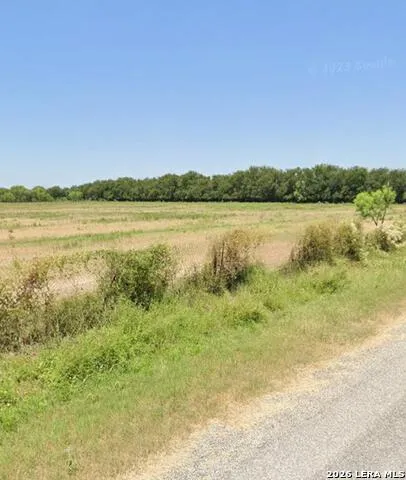
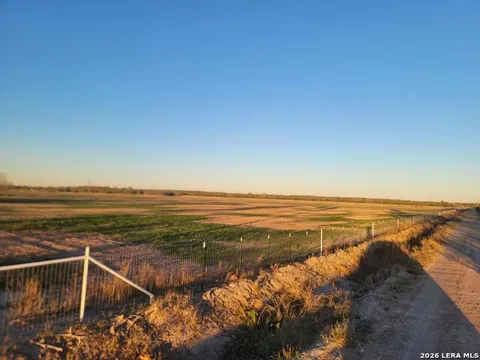
Quemado is a small, unincorporated community and census-designated place in northwestern Maverick County, Texas, set on U.S. Highway 277 about a mile and a half east of the Rio Grande and eighteen miles northwest of Eagle Pass. It lends its name to the Quemado Valley, a long irrigated agricultural corridor that stretches along the border. The valley's irrigation works helped shield area farmers from drought and supported a stable agricultural economy for much of the twentieth century, with the valley population reported at roughly 1,100 in more recent years. Agriculture and ranching remain central to life in Quemado. Irrigated cropland, pasture, and small farm operations define the landscape, and many residents work in farming or commute into Eagle Pass for employment and services. The surrounding brush country and river-bottom farmland give the community a distinctly South Texas setting, with hot summers and a landscape shaped by irrigation. Much of the local economy has historically followed agriculture, and the community remains closely tied to the larger border economy centered on Eagle Pass. The community is rural and low-density, with homes spread along the highway and rural roads rather than arranged in dense subdivisions. Quemado is served by the Eagle Pass Independent School District, which operates an elementary campus in the valley with roots in a one-teacher school established in 1897. For a buyer, Quemado offers affordable rural living and agricultural land in a border setting. Its distance from Eagle Pass is short enough for a practical commute, while the surrounding countryside provides space and quiet. The community's identity is shaped by its Rio Grande location, its agricultural heritage, and its place within the larger Eagle Pass region. As a small, predominantly Hispanic border community, Quemado reflects the culture and rhythms of South Texas's Rio Grande valley country.
Get more information about Quemado
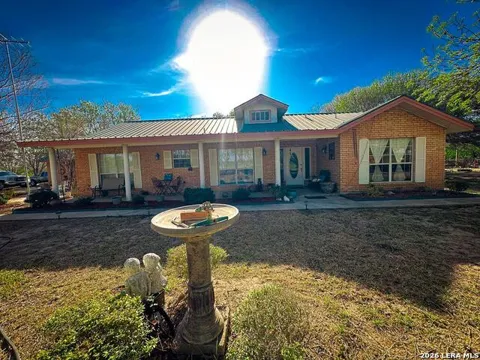
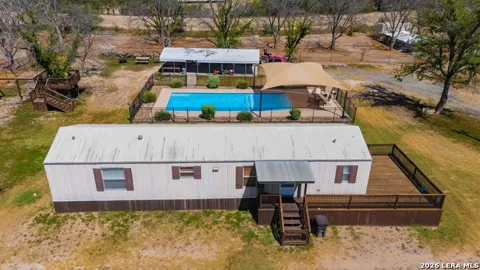
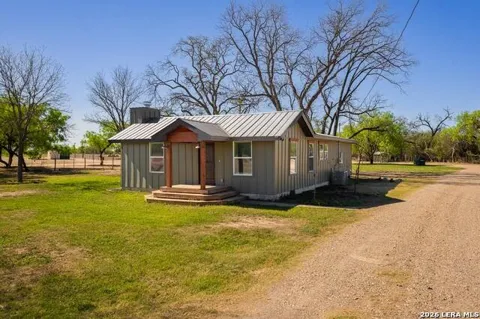
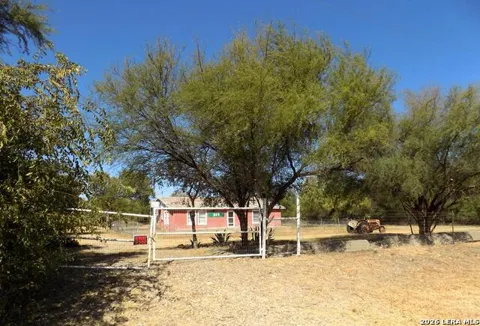
Houses in Quemado, TX
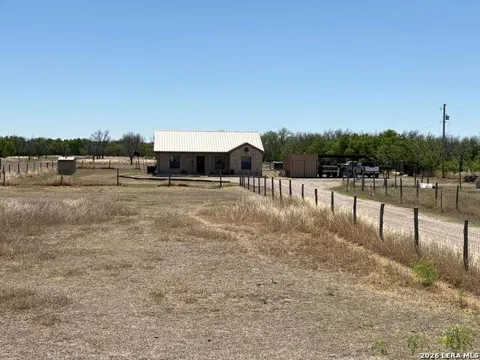
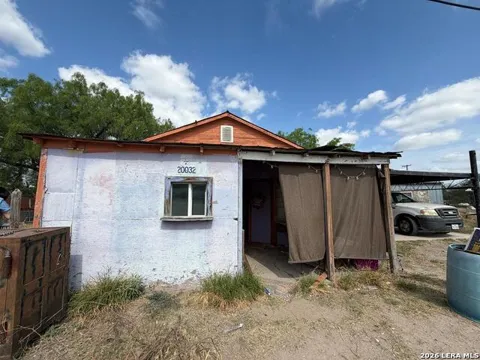
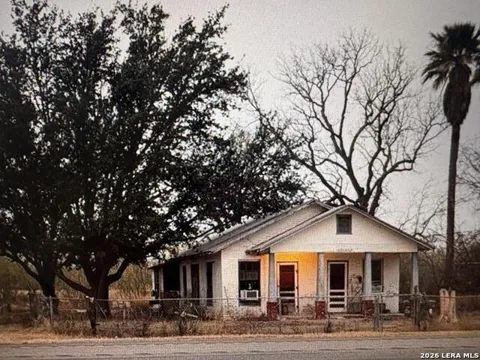
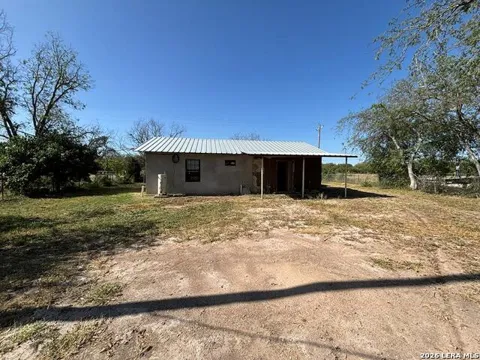
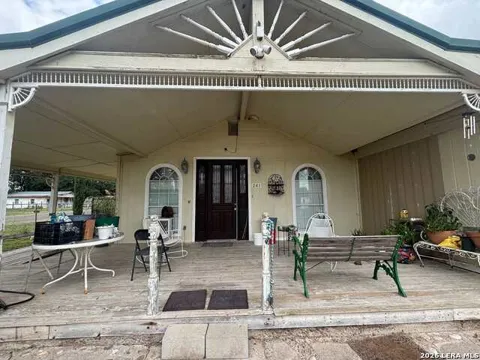
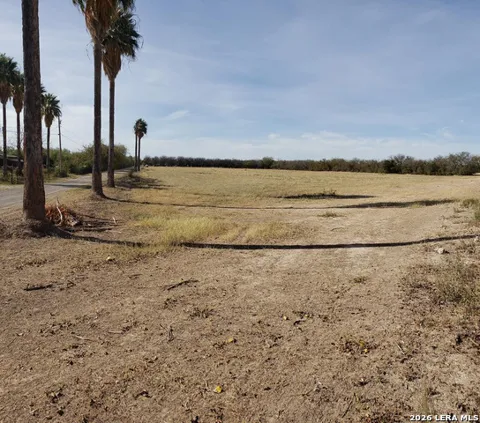
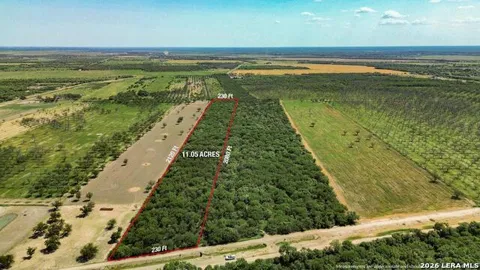
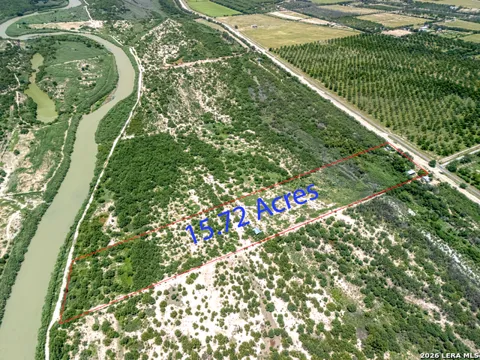
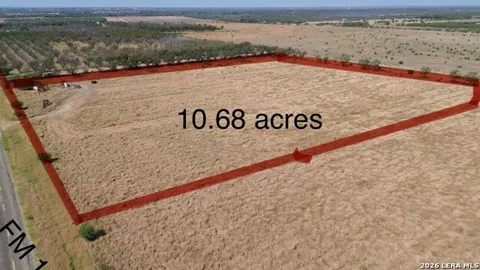
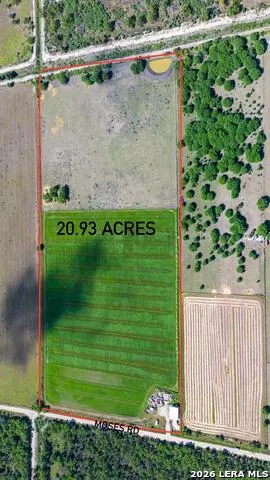
Lots & Land in Quemado, TX
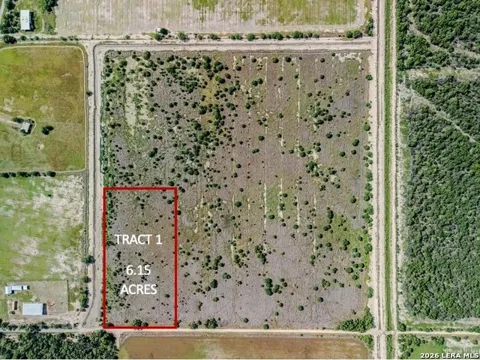
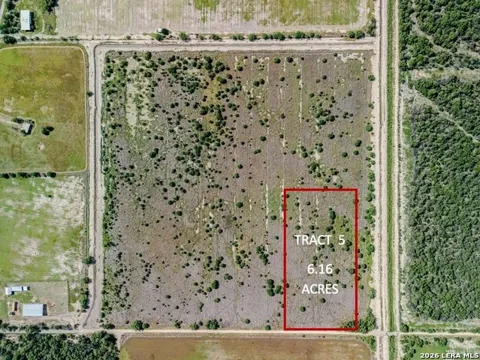
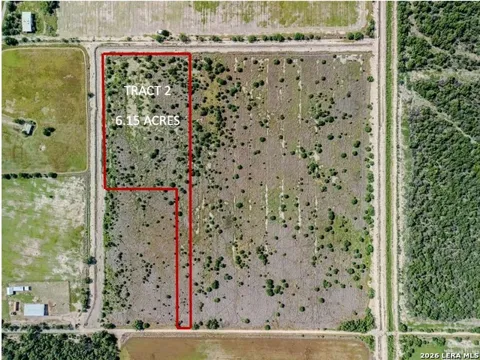
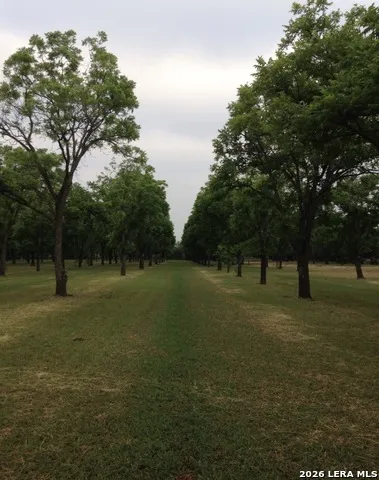
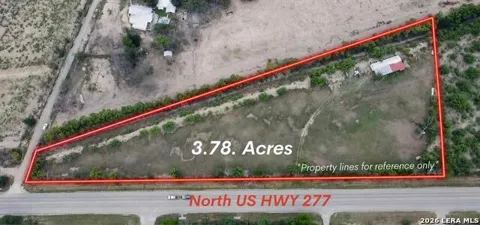
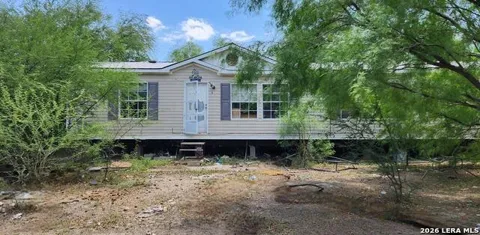
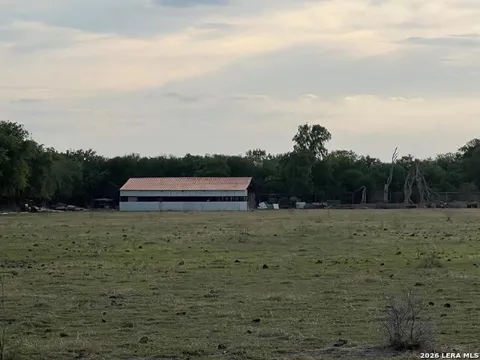
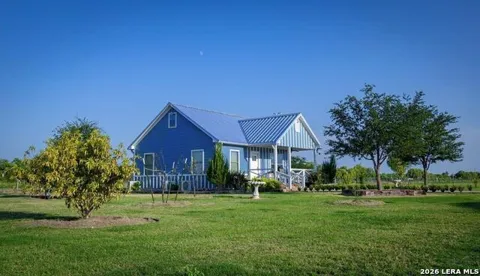
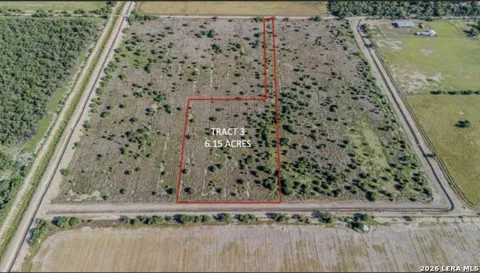
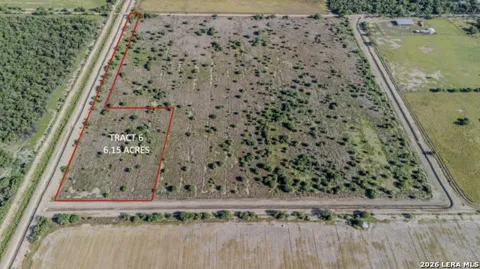
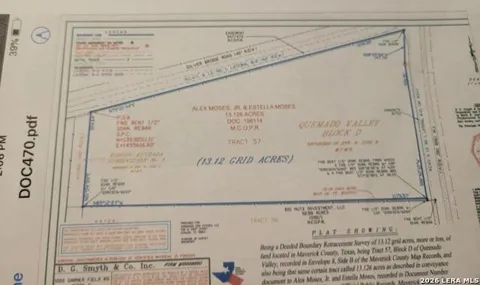
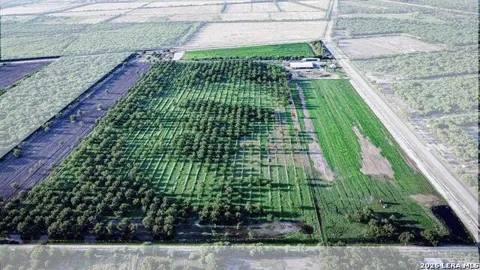
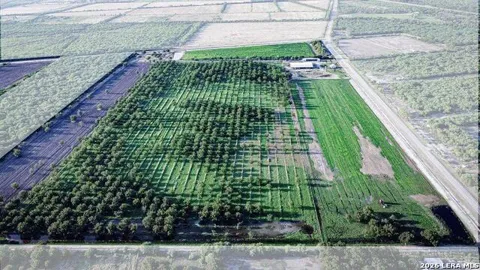
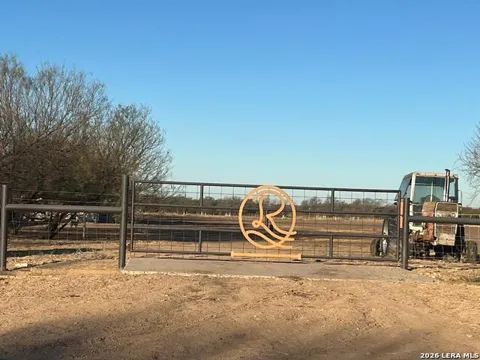
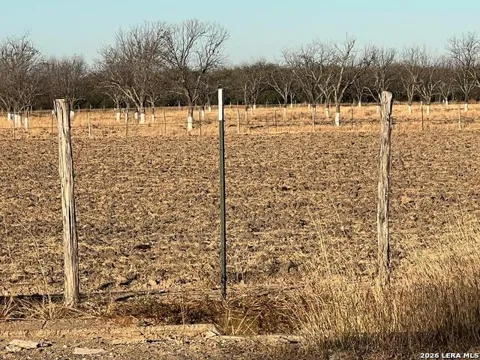
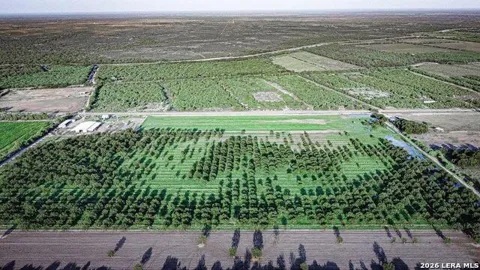
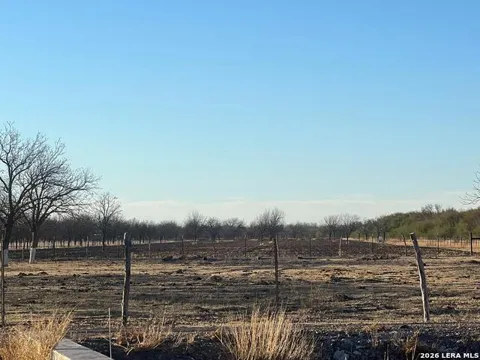
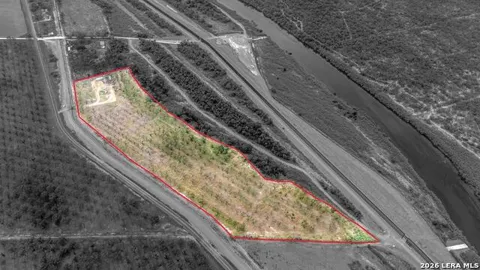
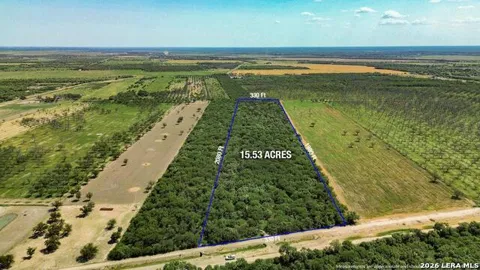
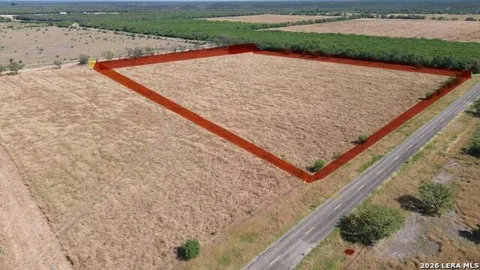
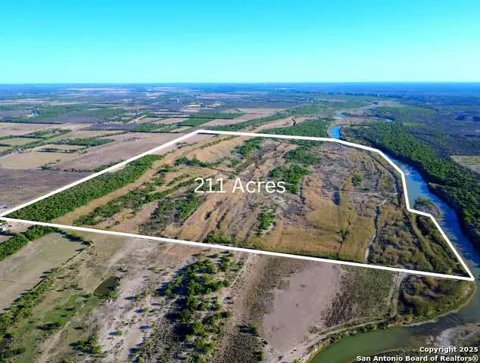
Farms & Ranches in Quemado, TX
MARKET SNAPSHOT
The Market at a Glance
How homes have been selling here over the last 90 days.
Price & Sales History
Market data reflects closed sales over the last 90 days and is provided for informational purposes.
Zip Codes
BROWSE BY ZIP
Browse listings by postal code in this area.
City Guide
About Quemado
Real Estate & Housing
Housing in Quemado is modest and rural. Homes are typically single-family dwellings on larger lots or small acreage, reflecting the area's agricultural roots rather than suburban development. Many properties are tied to small farms or ranch operations, and the housing stock is a mix of older homes and newer modular or site-built residences. As a census-designated place without a municipal government, Quemado has no local zoning beyond Maverick County oversight, keeping the landscape open and low-density.
Neighborhoods
Quemado has no formal subdivisions; it is a rural community defined by U.S. Highway 277 and the surrounding Quemado Valley. Homes and farms are scattered along the highway and connecting county roads, so there are no named neighborhoods in the suburban sense. Nearby communities include Eagle Pass, the county seat and main service center, as well as smaller border settlements such as El Indio and Normandy. The valley itself functions as the area's defining geographic neighborhood.
Lifestyle in Quemado
Life in Quemado is agricultural and unhurried. The community is predominantly Hispanic, reflecting the border region's cultural heritage, and daily life revolves around farming, ranching, family, and church. Residents rely on Eagle Pass for groceries, healthcare, schools beyond the elementary level, and commercial services. The pace is quiet, and the Rio Grande and open valley landscape give the area a distinctly rural, South Texas border character.
Schools & Education
Quemado is served by the Eagle Pass Independent School District. The community's elementary campus traces its origins to a one-teacher school established in 1897 and later renamed M.M. Kirchner Elementary. Older students attend middle and high school campuses in Eagle Pass. The district serves a predominantly Hispanic, largely rural population across Maverick County and the border region, and it anchors education for the Quemado Valley's farm families and surrounding communities.
Getting Around
Quemado sits on U.S. Highway 277, which runs along the Texas side of the Rio Grande and connects the community to Eagle Pass eighteen miles to the southeast. The drive into Eagle Pass takes about twenty minutes. Eagle Pass offers international crossings into Piedras Negras, Mexico, and regional highway connections via U.S. Highway 57 toward San Antonio, about two and a half hours northeast of the community.
Parks & Recreation
Recreation around Quemado is rural and outdoors-oriented. The Rio Grande corridor provides fishing and riverside access, while the surrounding brush country and ranch land support hunting and wildlife viewing. Organized recreation, parks, and community events are centered in Eagle Pass, which also offers the nearest sports facilities and public gathering spaces. The community's location near the international border additionally makes cross-border cultural and commercial visits a routine part of life.
About Quemado
Frequently asked questions
What county is Quemado in?
Quemado is in northwestern Maverick County, Texas, in the Quemado Valley along the Rio Grande. It lies on U.S. Highway 277, about eighteen miles northwest of the county seat of Eagle Pass.
What school district serves Quemado?
Quemado is served by the Eagle Pass Independent School District. The community has its own elementary campus, M.M. Kirchner Elementary, while middle school and high school students attend campuses in Eagle Pass.
How far is Quemado from Eagle Pass?
Quemado is about eighteen miles northwest of Eagle Pass along U.S. Highway 277, a drive of roughly twenty minutes by car. That places the county seat's jobs, shopping, and services within a short everyday commute.
Is Quemado near the U.S.-Mexico border?
Yes. Quemado sits about a mile and a half east of the Rio Grande, which forms the U.S.-Mexico border. The Eagle Pass international crossings into Piedras Negras, Mexico, are a short drive to the southeast.
Still have questions about Quemado?
Get in touchExplore the area